How Rolled-In Negative Equity Turns a $680 Payment Into $1,032
Underwater trades, rolled-in balances, and 84-month terms are quietly rebuilding the monthly payment, and the affordability risk now reaches lenders, captives, and dealer groups.

At most new-car desks this year, the trade-in appraisal is where the math quietly gets rewritten. A customer arrives hoping to lower a monthly payment, and many leave having financed part of the last vehicle on top of the next one. The balance being carried forward is rarely small, and it has been climbing for most of a decade, which is the starting point for our white paper, Underwater: Negative Equity Is Not Just a Consumer Problem.
Negative equity has always existed in auto finance, since most financed vehicles spend their early years worth less than the loan written against them. What has changed in 2026 is the scale and the persistence. More than 3 in 10 new-vehicle trade-ins now arrive owing more than the car is worth, and the average underwater balance has climbed above $7,000. In early 2019 that figure sat near $5,050, and by the first quarter of 2026 it reached $7,183, a rise of 42 percent.
The part most payment quotes never show is what happens to that balance next. When a buyer rolls roughly $10,000 of negative equity into a larger purchase and adds the sales tax that many states apply to the financed amount, the monthly figure moves well past the difference in sticker price. In one example from the paper, a $680 payment on a $40,000 vehicle becomes $1,032 once a more expensive car, the rolled-in balance, and the added tax are stacked together. That comes to 52 percent more each month, built almost entirely from items a buyer never reads on the window label.

To keep that number from scaring anyone off, the loan term stretches. Eighty-four-month loans now make up about 13 percent of new-vehicle financing, close to 1 in 8 retail transactions per J.D. Power, and nearly double the 2019 share. A 60-month loan with 20 percent down stays above water for its full life, while an 84-month loan with nothing down and $7,000 rolled in stays underwater for years, and the gap between balance and value is widest at exactly the moment an owner is most likely to trade again, which is how the cycle repeats.
For a while, the reliable way out was to move buyers into a leased EV, where a $7,500 federal tax credit and aggressive incentives could absorb a large negative-equity balance in a single transaction. That path has mostly closed now that the federal EV tax credit expired in the fourth quarter of 2025. Incentives have thinned considerably, models such as the Acura ZDX have been canceled, and others including the Hyundai Ioniq 5 now carry a lower MSRP in place of the old pass-through credit. For a shopper who needed that escape route, the change matters.
None of this is hidden by accident, and none of it is improper. It is the predictable result of affordability pressure meeting a financing structure that rewards a lower payment over shorter exposure. The risk that builds up in the process spreads well beyond the buyer at the desk. Lenders, captives, and dealer groups now hold a growing share of it, and the practical question is how much already sits on the current book, and how it behaves if used values soften again.

The paper also works through what the industry can do, from clearer financial education at the point of sale, to equity mining that finds underwater borrowers who qualify for lower-rate refinancing, to reframing heavy incentives openly as negative-equity assistance paired with a plan to end the cycle. Some of these ideas ask automakers and captives to give up a quick sale in exchange for a healthier customer, and a healthier book, over time.
We built a companion piece on the website that lets you move through the mechanics yourself. It follows the same carried balance from the trade-in counter into the new contract and across the life of the loan, with 3 interactive tools: the underwater trade-in trend since 2019, the payment waterfall that turns $680 into $1,032, and the equity curves comparing a disciplined 60-month loan against a stretched 84-month one.
If you set residuals, price incentives, manage an F&I menu, or run a lending portfolio, this is a pattern worth watching closely through the rest of 2026. Buyers plowing negative equity forward will eventually reach a point where the next deal cannot absorb it, and the industry has a real chance to be part of the fix before that happens.
3 ways to go deeper on this topic
- White paper01
Underwater: Negative Equity Is Not Just a Consumer Problem
Download the PDF - Blog02
Negative Equity Is Back, and the Deal Is Doing the Hiding
Explore the interactive post - Webinar recap03
Underwater: Negative Equity Is Not Just a Consumer Problem
Watch the recording
Learn more about how the AutoMobility Advisors team can help you and your business seize the opportunities in the automotive market.
More from the AMA team.
 Newsletter
Drivers pick the station by what is next door
Paren studied 4,105 DC fast charging stations at 100 kW or above and found the median site running 9 sessions a day, grocery-adjacent sites running 42, and sites with nothing within walking distance running 3. A 100 kW session takes 25 to 40 minutes, which is what a grocery run takes, so the low numbers at most sites measure whether people will wait in a parking lot for half an hour and tell you very little about EV demand in that trade area.
George Ayres · Sep 10, 2026 Newsletter
Who gets paid when the car fixes itself?
Thirty-five of the 997 safety recalls filed in 2025 were remedied over the air, reaching 3.7 million vehicles. When a vehicle repairs itself overnight, the dealership never opens a repair order, and the contracts that decide who gets paid were written for a technician standing in a bay.
George Ayres · Aug 19, 2026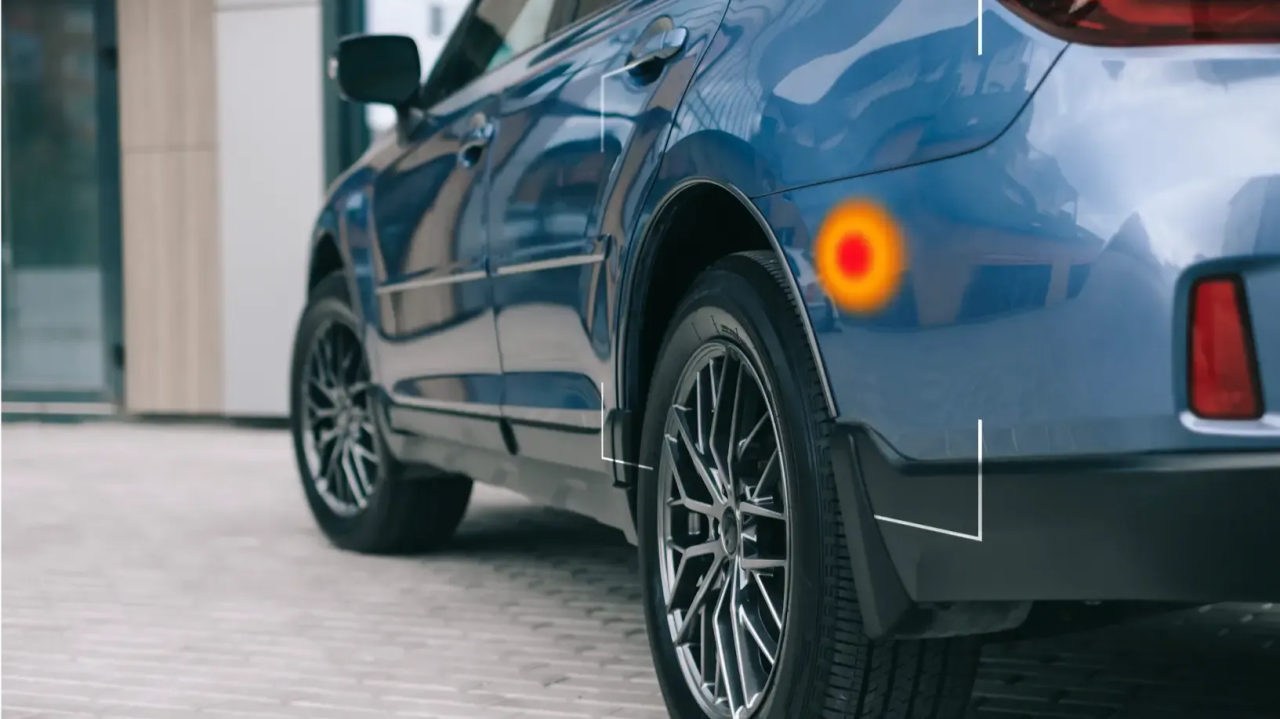 Newsletter
Trends in Visual Inspection Technology for Automotive Retailers
Innovations transforming dealership operations and customer experience. AI was everywhere at NADA in Las Vegas, but one area has immediate, direct application to automotive retail: visual inspection.
George Ayres · Feb 12, 2026
Talk to us about what you want to accomplish
Schedule 20-minutes with AMA. We will use the time to understand what you are trying to accomplish and how AMA can help.