Underwater: Negative Equity is not just a consumer problem
An AMA white paper on why negative equity has become a constraint across auto retail and lending — from the rollover trap and the closed EV escape hatch to what OEMs, lenders, F&I, and dealers can actually do about it.
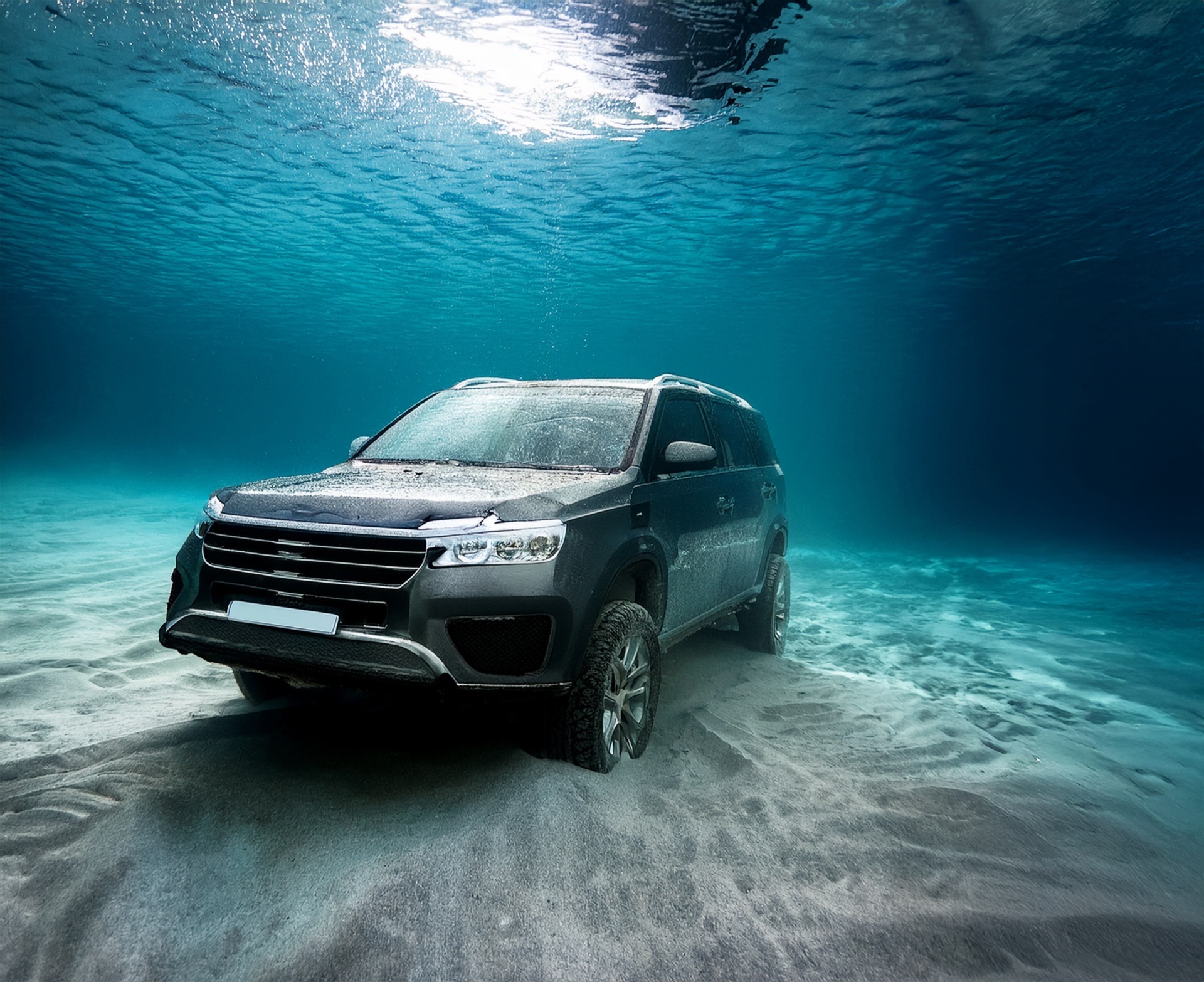
Negative equity has always been part of auto finance. What has changed in 2026 is its scale and its staying power. More than 3 in 10 new-vehicle trade-ins now carry negative equity, the average underwater balance has climbed above $7,000 (more than 42% higher than it was in 2019), and 84-month terms now make up roughly 1 in 8 retail transactions. With transaction prices averaging nearly $50,000 and interest rates still elevated, more buyers are bringing deeply underwater loans back to the desk and rolling that balance forward into their next vehicle.
This white paper from AutoMobility Advisors examines why negative equity has become a structural constraint across auto retail and lending, rather than the consumer-finance footnote it used to be. It traces how a balance that most buyers carry harmlessly early in a loan turns into a problem that follows them from one vehicle to the next, and it shows where that cycle leads if the industry does nothing to interrupt it.
The paper starts with the fundamentals, defining equity and explaining why most financed and leased vehicles spend their early life underwater before crossing into positive territory. It then shows how residual value subvention and other lease incentives can keep a vehicle underwater for its entire term, and why the popular idea of “burying” negative equity is a misnomer for quietly carrying it forward at a higher monthly cost.
From there, the analysis follows the rollover trap. To absorb a large negative balance without breaching loan-to-value limits, buyers get steered toward more expensive vehicles chosen mainly for their incentives, which all but guarantees the next loan stays underwater well into its term. A consumer case study tracks one buyer from a paid-off Honda Accord in 2022 to a used Tesla Model 3 with a $1,000-plus monthly payment and a roughly $20,000 underwater position by 2026, and a practitioner sidebar revisits the hard subprime lessons of the Mitsubishi era.
A dedicated section explains why the EV escape hatch has closed. Through 2025, a leased electric vehicle could absorb thousands in negative equity through a pass-through federal tax credit and unusually deep incentives. With that credit expired and incentives pulled back, the lease cash that once smoothed over an underwater trade-in has largely disappeared, removing the quick fix that many buyers and dealers had come to rely on.
The paper closes with what the industry can actually do. It lays out upfront financial education modeled on mortgage practice, the use of equity mining to surface refinance candidates instead of only upgrade targets, and a way to reframe high-incentive vehicles as transparent negative-equity assistance, paired with a clear plan and timeline for ending the cycle rather than perpetuating it.
Whether you lead OEM incentive strategy, underwrite at a captive or a bank, run an F&I office, manage remarketing and residual risk, or advise dealers on deal structure, this paper offers a clear-eyed look at how negative equity is reshaping affordability and risk, along with a practical set of moves for getting ahead of it.
2 ways to go deeper on this topic
- Webinar recap01
Underwater: Negative Equity Is Not Just a Consumer Problem
Watch the recording - Blog02
North American trade rules and the next round of negative equity
Read the trade-policy angle
Want to talk about how negative equity is affecting your portfolio?
Download the White Paper
Enter your work email and the PDF opens right away. We email a copy too, so you can read it on any device.
More from the AMA team.
 BLOG
BLOGHOW FINANCING BURIES NEGATIVE EQUITY
Underwater trades, rolled-in balances, and 84-month terms are quietly rebuilding the monthly payment. A look at where the affordability risk actually sits, and what it means for the book.
Mariestella Colón Astacio · Jun 15, 2026 Newsletter
Drivers pick the station by what is next door
Paren studied 4,105 DC fast charging stations at 100 kW or above and found the median site running 9 sessions a day, grocery-adjacent sites running 42, and sites with nothing within walking distance running 3. A 100 kW session takes 25 to 40 minutes, which is what a grocery run takes, so the low numbers at most sites measure whether people will wait in a parking lot for half an hour and tell you very little about EV demand in that trade area.
George Ayres · Sep 10, 2026 Newsletter
How Rolled-In Negative Equity Turns a $680 Payment Into $1,032
Underwater trades, rolled-in balances, and 84-month terms are quietly rebuilding the monthly payment, and the affordability risk now reaches lenders, captives, and dealer groups.
George Ayres · Jul 8, 2026
Talk to us about what you want to accomplish
Schedule 20-minutes with AMA. We will use the time to understand what you are trying to accomplish and how AMA can help.