From SDV to AIDV: Where Agentic AI Works in Automotive Today
Everyone in automotive is suddenly using the term AI-defined vehicle, and most of the people using it mean different things. A field guide to what the term means, where agentic AI is producing measurable results, and where it is still a slide in a vendor deck.
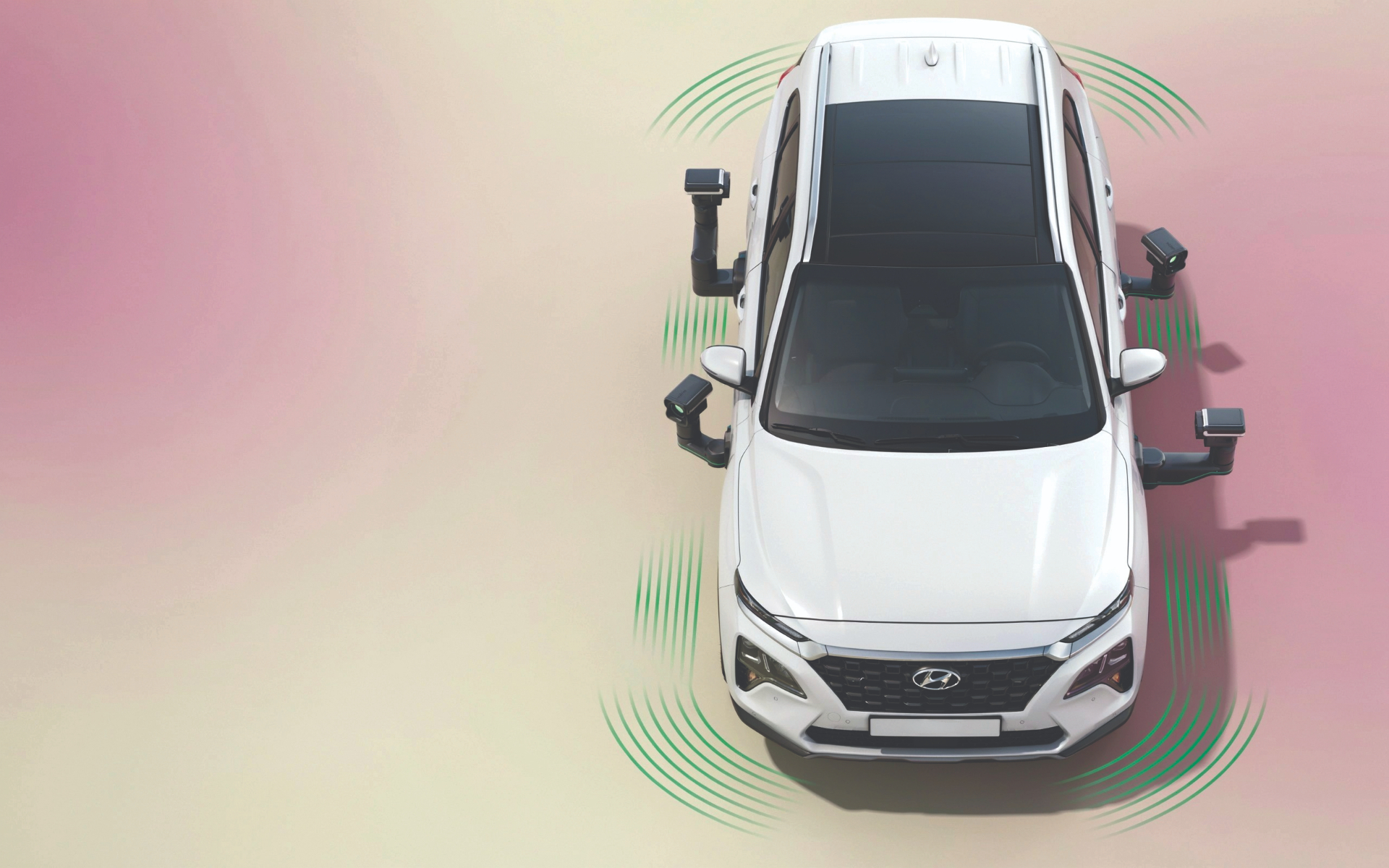
A software-defined vehicle and an AI-defined vehicle sound like the same idea wearing different jackets. They describe different levels of maturity, and confusing them is where a lot of AI budgets go wrong.
The interactive below walks through the one-word difference between SDV and AIDV, where the money is moving, the four use cases producing measurable results in production today, and a three-tier ladder for granting autonomy without becoming a Gartner cancellation statistic.
For the full framework — production use cases, operating limits, and a five-step roadmap to a first governed pilot — download the AMA and Devox Software white paper.
3 ways to go deeper on this topic
- Webinar recap01
Moving Toward the AI-Defined Vehicle
Watch the recording - White paper02
Building Towards the AI-Defined Vehicle
Download the PDF - Roadmap Newsletter03
Towards the AI-Defined Vehicle: A Framework for Choosing and Scaling an Agentic Use Case
Read the newsletter
Want to talk about what this means for your team?
Moving Toward the AI-Defined Vehicle
September 2, 2026 · Online webinarMore from the AMA team.
 Newsletter
Who gets paid when the car fixes itself?
Thirty-five of the 997 safety recalls filed in 2025 were remedied over the air, reaching 3.7 million vehicles. When a vehicle repairs itself overnight, the dealership never opens a repair order, and the contracts that decide who gets paid were written for a technician standing in a bay.
George Ayres · Aug 19, 2026 THOUGHT LEADERSHIP
The Garage Podcast: Software-Defined Vehicles, Embedded Connectivity, and the New OEM-Supplier Deal
The Garage Podcast — recorded live at AutoTech Detroit 2026 Chip Goetzinger
- The Garage Podcast
Jun 2026Watch talk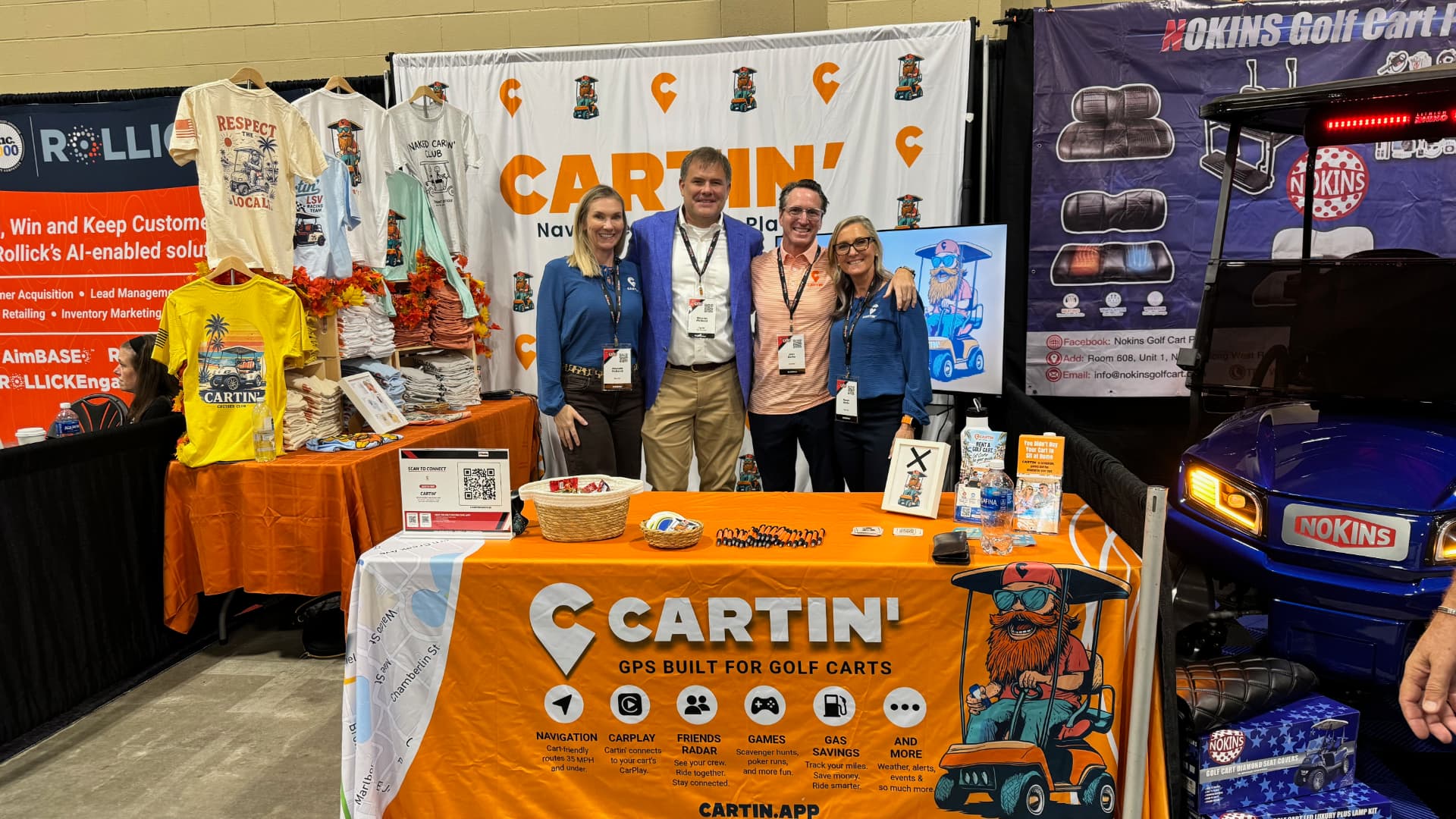 BLOG
BLOGCartin' gives golf cart dealers a way to stay with the owner after the sale
At the GolfCarting Expo in Charleston, Cartin' showed how navigation, social features, games, and dealer-run events can keep golf cart owners connected long after delivery.
Mariestella Colón Astacio · Oct 3, 2026
Talk to us about what you want to accomplish
Schedule 20-minutes with AMA. We will use the time to understand what you are trying to accomplish and how AMA can help.