Thermal management moves to the center of vehicle development
At the Automotive Testing Expo in Novi, engineers from Ford, GM, and Stellantis on SAE's Thermal Management Committee explained why thermal decisions now belong at the architecture stage.
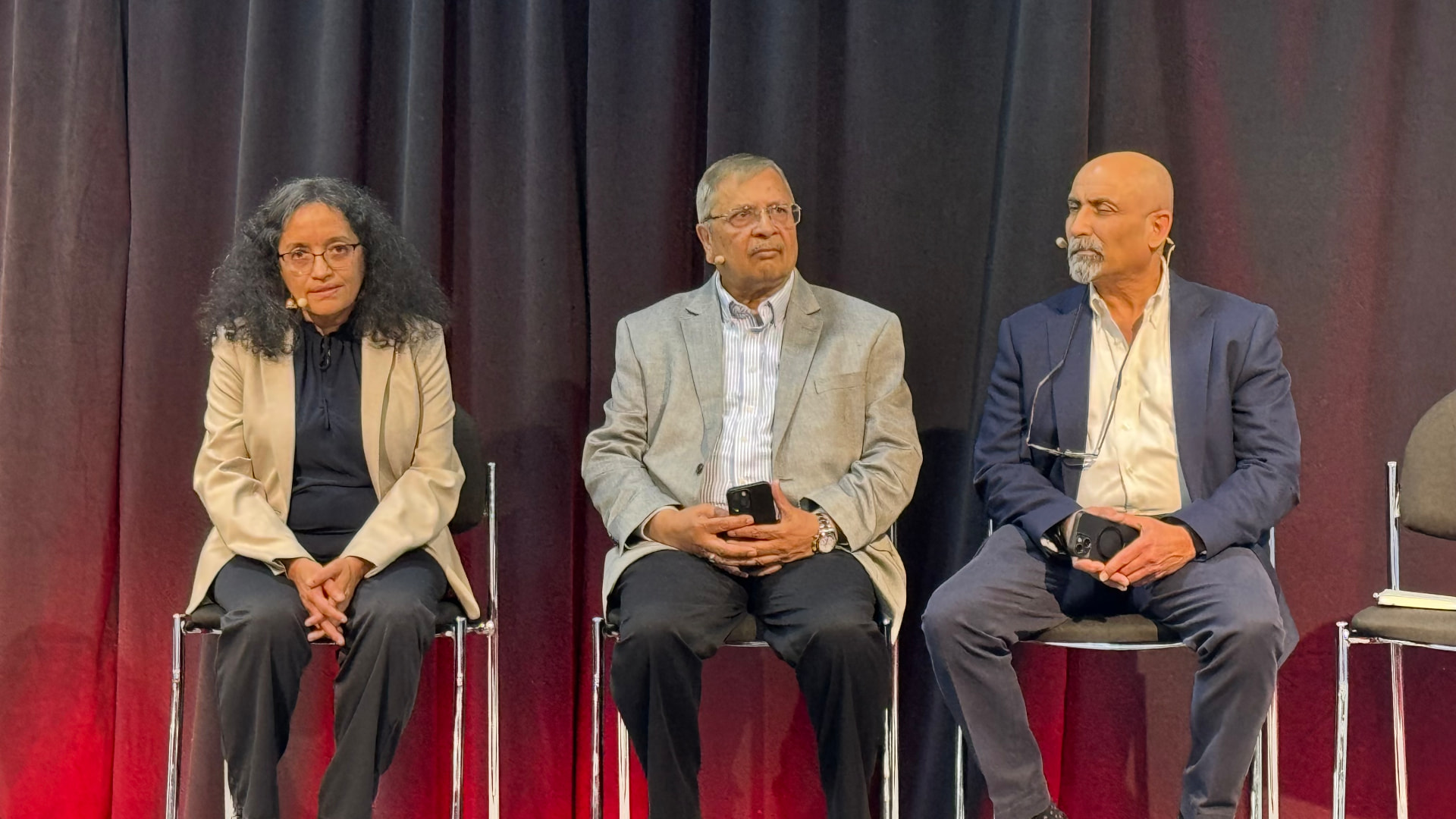
Tuesday, October 27, 2026. Day 1, Automotive Testing Expo, Novi. “Thermal management: A fireside chat.” Dr. Gursaran D. (GD) Mathur, PE, HVAC System Design, Ford Motor Company; Sowmya Jayaraman, Thermal Lead, Next Gen Electric Vehicles, General Motors; Aamir Khawaja, Technical Fellow, HVAC Systems, Stellantis.
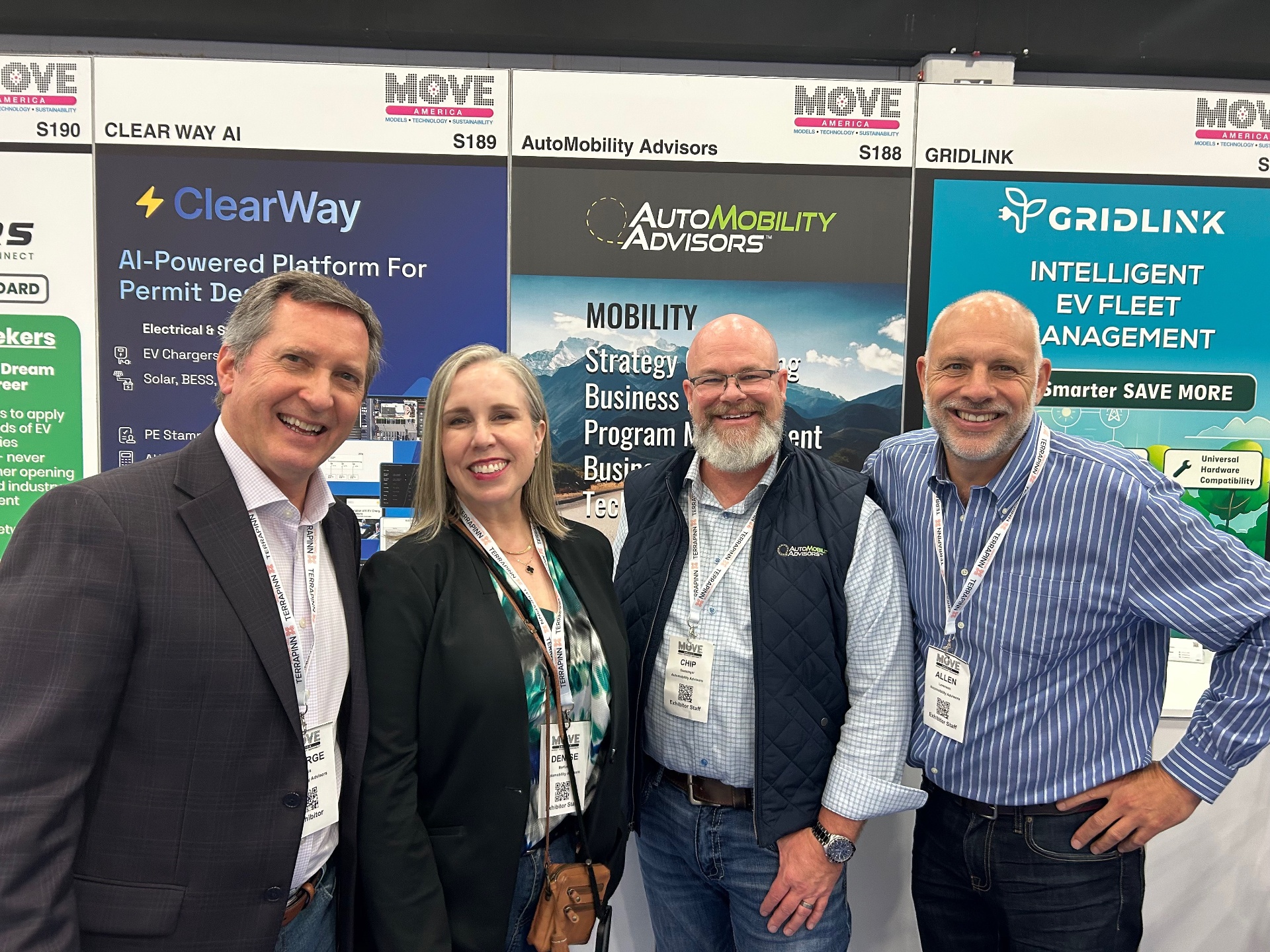
At Automotive Testing Expo, George Ayres and I listened to three engineers from SAE's Thermal Management Committee explain why thermal management has moved to the center of vehicle development.
One requirement, every subsystem
Range, cabin comfort, towing, and track performance all draw on the same thermal system, so one customer requirement flows into the battery, the cabin, the front end, and the power electronics at once. Sowmya explained that these targets compete with each other, which is why the balance between them has to be settled at the architecture stage, before subsystems are designed. Aamir added that thermal is now the one system responsible for keeping everything from the cabin to the engine working efficiently.
More variants, less time
Battery packs can now be cooled by immersion or indirectly, heat pumps add complexity, software-defined vehicle architecture is arriving, and combustion and battery electric vehicles both make sense in the market again. One OEM may be developing all of these at once while global competition compresses development cycles, so thermal teams carry more variants with less time to engineer each one.
Cabin air quality as an EV requirement
Cabin air quality is now an EV engineering requirement as well. GD, author of over 120 technical papers for SAE and ASHRAE, said that since the pandemic it includes CO2 levels and how a virus travels through the cabin. Recirculating air saves battery energy while letting CO2 build up, so comfort and range compete for the same airflow.
Simulation speeds up, physical testing stays
Sowmya noted that one year is now long enough for a regulation to change under a program, which puts pressure on how fast a thermal system can be validated. She pointed to software-in-the-loop simulation and AI-enabled tools that draw on legacy program data to pick the right simulation at each stage and focus physical testing where it adds the most. GD added that CAE and CFD can now bring an HVAC design close to final, and he was clear that physical testing remains critical.
Where suppliers should start the conversation
Thermal management, as these engineers described it, is a vehicle-level discipline where the biggest decisions are made early and physical testing goes to the questions simulation can't settle. Suppliers of thermal components and test equipment will have their most valuable conversations with the architecture teams balancing those vehicle targets, well before a part spec or test plan reaches the table.
Go deeper on this topic
Selling thermal components or test equipment to OEMs?
What people are saying
More from the AMA team.
 BLOG
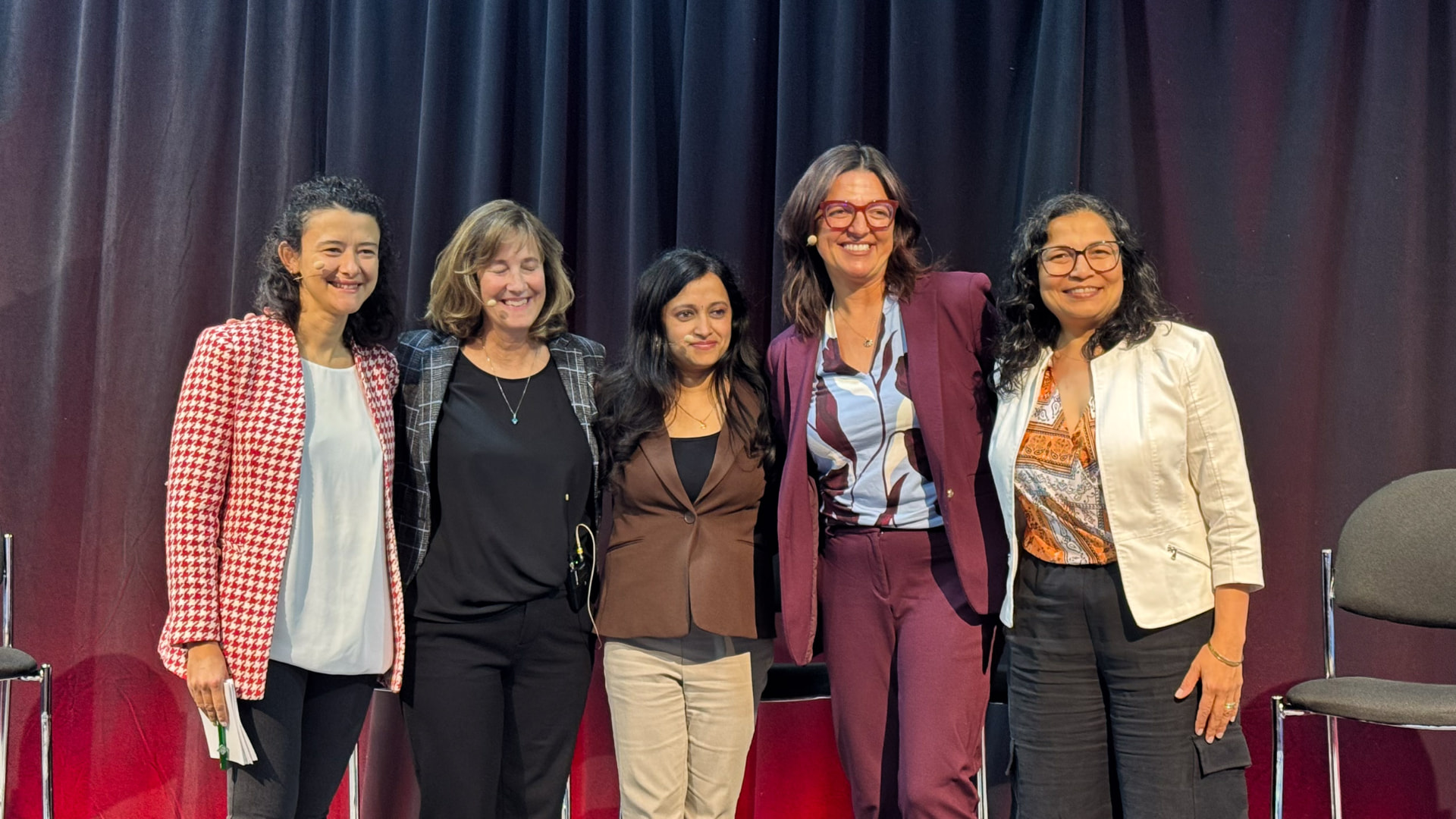
Women leading technical innovation: AI, readiness, and engineering depth at Vehicle Tech Week
At the Automotive Testing Expo in Novi, an IEEE Women in Engineering panel with leaders from Wayne State, 3M, GM, Infineon, and ADAC Automotive discussed how AI, organizational readiness, and representation shape automotive innovation.
Mariestella Colón Astacio · Oct 30, 2026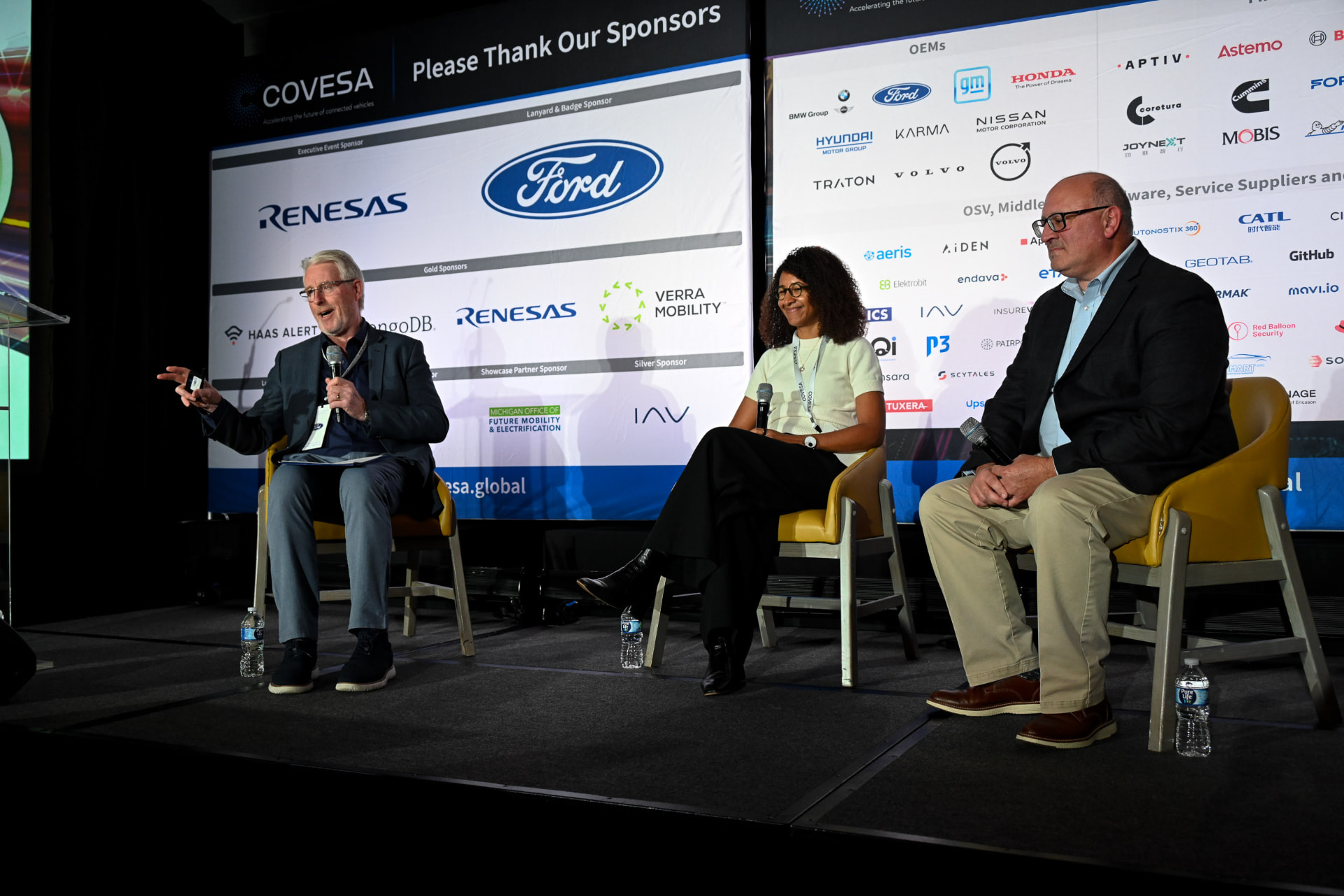 BLOG
From hardware to AI: mapping the software-defined vehicle maturity journey at COVESA
At the COVESA All Member Meeting in Novi, Omdia's Steve Bell and Maite Bezerra and SAE ITC's Tim Yerdon gave the first public look at the seven-level Digital Vehicle Maturity Level framework.
Mariestella Colón Astacio · Oct 30, 2026 BLOG
China's carmaker shakeout will be decided in export markets
Chery's international president says around 90% of China's carmakers are losing money. Chery now earns about 70% of its revenue abroad at better margins, and that pattern points to where the shakeout will be decided.
Mariestella Colón Astacio · Oct 29, 2026
Talk to us about what you want to accomplish
Schedule 20-minutes with AMA. We will use the time to understand what you are trying to accomplish and how AMA can help.