From hardware to AI: mapping the software-defined vehicle maturity journey at COVESA
At the COVESA All Member Meeting in Novi, Omdia's Steve Bell and Maite Bezerra and SAE ITC's Tim Yerdon gave the first public look at the seven-level Digital Vehicle Maturity Level framework.
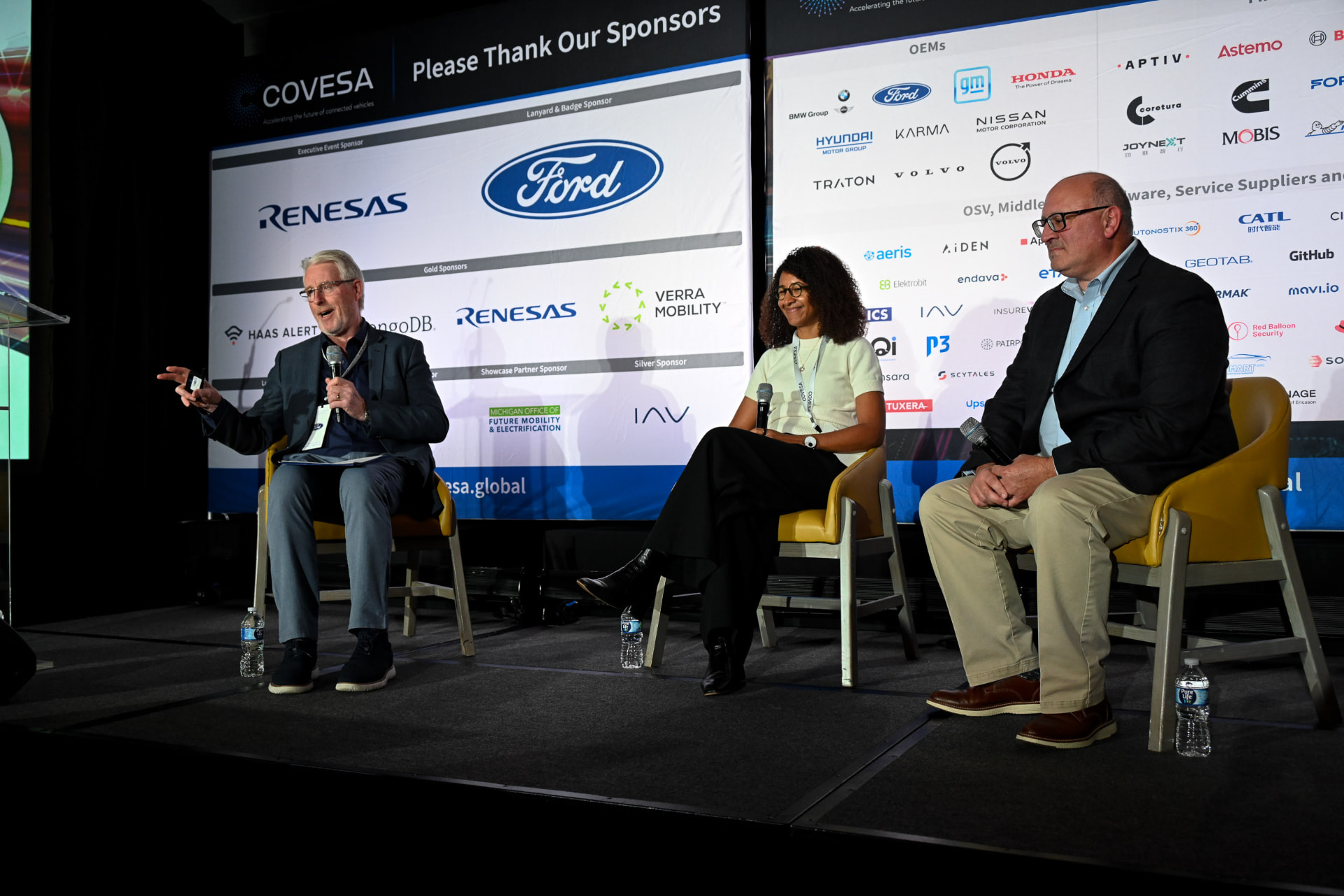
Wednesday, October 28, 2026 | COVESA All Member Meeting, Sheraton Detroit Novi Hotel, Novi, Michigan. Speakers: Steve Bell, Chief Analyst, Omdia; Maite Bezerra, Senior Principal Analyst, Omdia; Tim Yerdon, Executive Director, SAE Industry Technologies Consortia.
Steve Bell opened this afternoon's fireside chat in Novi by calling it the first public discussion of the Digital Vehicle Maturity Level framework, a seven-level model that SAE ITC, Eclipse SDV, Omdia, and others have been developing to track the vehicle from hardware-defined to AI-defined.
Why the industry asked for a common taxonomy
Omdia ran a survey last month, sponsored by SAE ITC, asking automakers and suppliers at every tier where the industry most needs help, and a common taxonomy came back as a critical need. Maite said the industry is tired of competing solutions and of standards that can take five years to settle, so the group chose a framework that can be published quickly and revised every year from public comments.
Seven levels from connectivity to smart cities
Level 1 adds embedded connectivity, Level 2 adds OTA updates and infotainment upgrades, Level 5 brings in the ecosystem, and Level 7 connects the vehicle to intelligent transport systems, smart cities, and smart grids. Maite placed the move to a software-defined vehicle at the abstraction between hardware and software, and she said that once that abstraction exists, choosing a domain, zonal, or centralized architecture becomes a matter of preference. An AI-defined vehicle needs access to digitized vehicle data, so it can only be built on top of that software-defined layer.
A shared vocabulary, like SAE J3016
Tim compared the framework to SAE J3016, the automation levels that gave investors, analysts, and the media a shared vocabulary without telling anyone which cameras or lidar to buy. He said an industry that has wasted billions of dollars over the last five years can't afford to do that again.
Where it pays off first: the RFQ
Steve asked how anyone writes an RFQ for a vehicle shipping in 2029 or 2030 across this many standards and APIs, and Maite said suppliers she spoke with recently feel they don't share a language with the OEM when quoting SDV work. I think the RFQ is where this framework pays off first, because a shared level gives the OEM and the supplier the same definition of what's being bought before anyone prices it.
What's next
The full framework goes public after CES, and the team invited anyone who disagrees with a level to say so on the Eclipse SDV page.
Go deeper on this topic
Working on your SDV roadmap?
More from the AMA team.
 BLOG
George Ayres at COVESA on the cost of keeping vehicles connected
At the COVESA All Member Meeting in Novi, George Ayres covered the cost of moving data to and from the vehicle, broadcast and onboard AI as cheaper paths, and what light-duty can learn from trucks, golf carts, micromobility, and power sports.
Mariestella Colón Astacio · Oct 29, 2026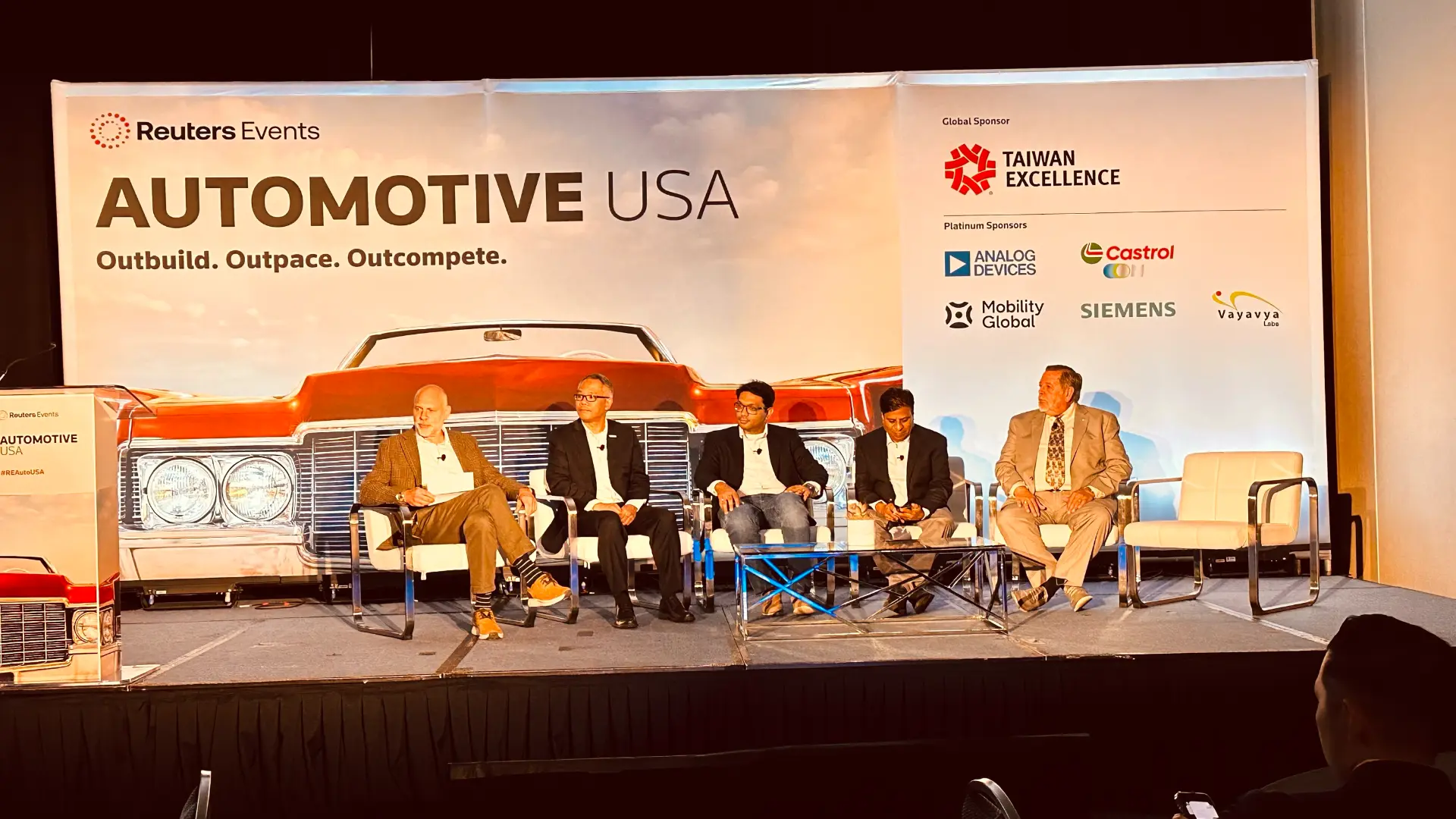 BLOG
Allen Levenson moderates the SDV foundation panel at Reuters Automotive USA 2026
At Reuters Events: Automotive USA in Detroit, Allen Levenson moderated “Accelerate to Market: Building the SDV Foundation Without Losing Speed” with leaders from Karma, GM, Scout Motors, Vayavya Labs, and Sinclair's ONE Media.
Mariestella Colón Astacio · Oct 28, 2026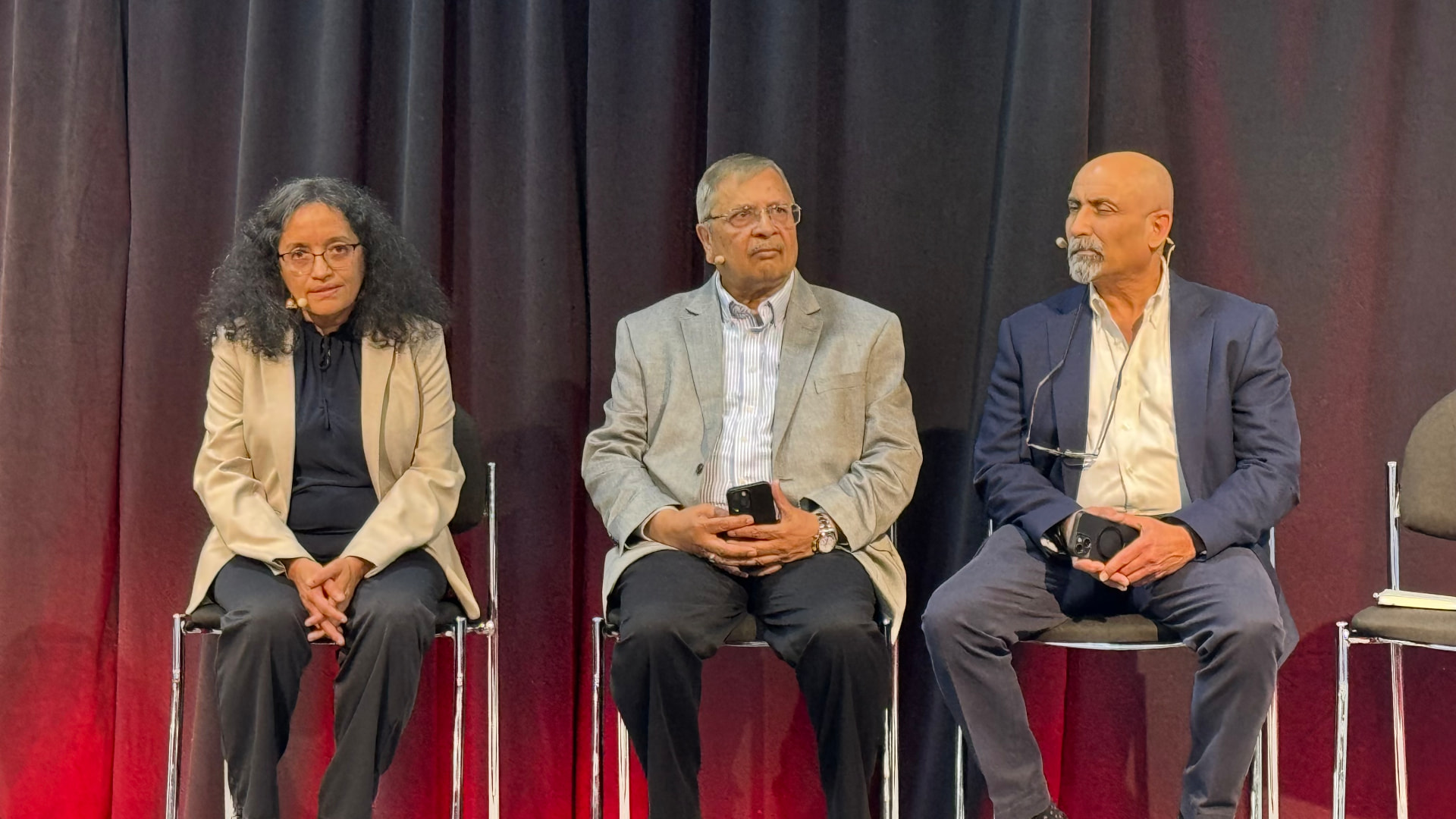 BLOG
Thermal management moves to the center of vehicle development
At the Automotive Testing Expo in Novi, engineers from Ford, GM, and Stellantis on SAE's Thermal Management Committee explained why thermal decisions now belong at the architecture stage.
Mariestella Colón Astacio · Oct 30, 2026
Talk to us about what you want to accomplish
Schedule 20-minutes with AMA. We will use the time to understand what you are trying to accomplish and how AMA can help.