ATSC 3.0 Standards: Spring 2026 Momentum in Broadcasting
Understanding the technical blueprint behind next-generation television. Spring 2026 is bringing real momentum to the next-generation broadcasting landscape, with ATSC 3.0 moving from standards documents into market deployments.
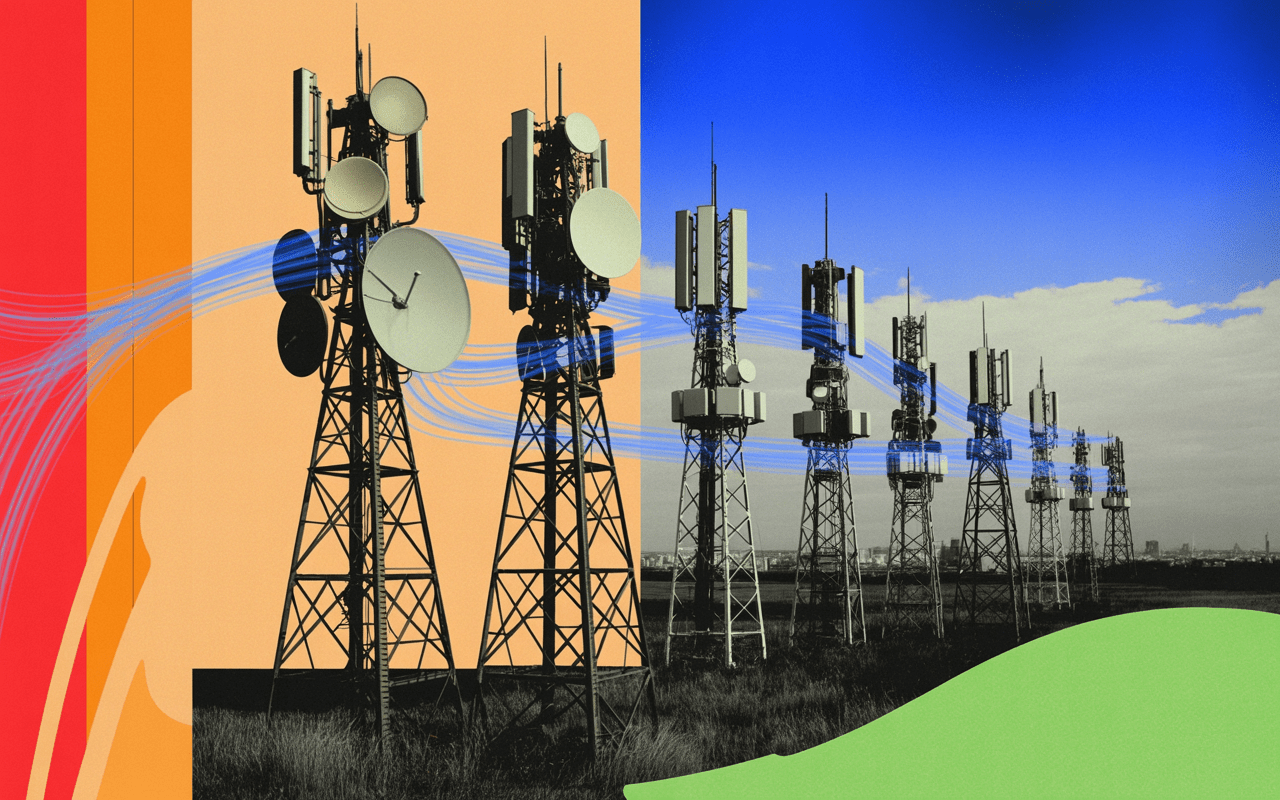
Spring 2026 is bringing real momentum to the next-generation broadcasting landscape. The advanced television systems that seemed theoretical just a few years ago are now moving from standards documents into market deployments, driven by a coordinated push across standards development, international harmonization, and ecosystem coordination.
The Advanced Television Systems Committee develops voluntary technical standards that allow the broadcast ecosystem to work together seamlessly. The original ATSC 1.0 standard powered the digital TV transition starting in 2009. ATSC 3.0, launched in 2017, represents a fundamentally different architecture designed for today's media consumption landscape: mobile reception, IP-based delivery, advanced emergency alerting, and hybrid broadcast-broadband services.
Think of ATSC standards as the technical blueprints that enable interoperability. Without standards, every broadcaster, equipment manufacturer, and service provider invents their own solution. Consumers can't rely on consistent reception. Devices built for one system won't work with another. Standards eliminate that fragmentation and create the foundation for an entire ecosystem to build upon.
ATSC 3.0's architecture is fundamentally different from 1.0 because it determines what's technically possible. The modular design allows broadcasters to offer services beyond traditional video, create more resilient networks, and integrate with wireless and broadband infrastructure in ways the legacy standard couldn't support.
Right now, standards development is accelerating. ATSC President Madeleine Noland's latest memo reveals that Technology Group 3 is completing the A/300 revision to provide detailed operating configurations for ATSC 3.0 deployments in three major markets: the United States, Brazil, and South Korea. This expected release at the end of April is significant because it gives broadcasters clear guidance on how to implement 3.0 with regional variations that work for their specific infrastructure and regulatory environments.
Simultaneously, ATSC is strengthening ties with regulators and policymakers from the Caribbean to São Paulo. Recent panels at the North American Broadcasters Association's annual meeting on March 10 brought together major broadcasters like Sinclair and Gray Media to discuss ATSC 3.0 momentum. A U.S. Department of Commerce webinar examined Brazil's Digital TV 3.0 transformation and the commercial opportunities it presents.
The industry is gathering at NAB Show (April, Central Hall C1655) with a booth showcasing cutting-edge ATSC 3.0 technologies from leading companies including Sinclair, AT&T, SiliconDust, and others. Behind those demonstrations are companies like EdgeBeam Wireless, sponsoring the networking events at NAB Show and beyond. EdgeBeam exemplifies the infrastructure work that makes standards real — solving the wireless network layer that connects broadcast delivery with broadband capabilities, a bridge that ATSC 3.0's architecture assumes will exist.
The annual NextGen Broadcast Conference (June 2–3, Washington D.C.) will deepen the conversation. Day 1 focuses on public and consumer messaging around ATSC 3.0 benefits. Day 2 shifts to a private, industry-focused program that explores the technical, operational, and business aspects of implementing ATSC 3.0.
What's remarkable is not any single announcement, but the convergence of technical work, standards maturation, and market readiness. The standard can deliver both immediate consumer value and a long-term foundation for continued innovation. For broadcasters, operators, equipment manufacturers, and technology partners, understanding ATSC standards means understanding where broadcast is headed.
More from the AMA team.
- Webinar recap
Webinar: AI & IoT — Driving New Revenue in Connected Vehicles
AMA and Devox Software on the strategic realities of connected-vehicle monetisation: monetisation frameworks, the Big Tech and OEM battle for the cockpit, and the EU Data Act in practice.
George Ayres · Mar 19, 2026 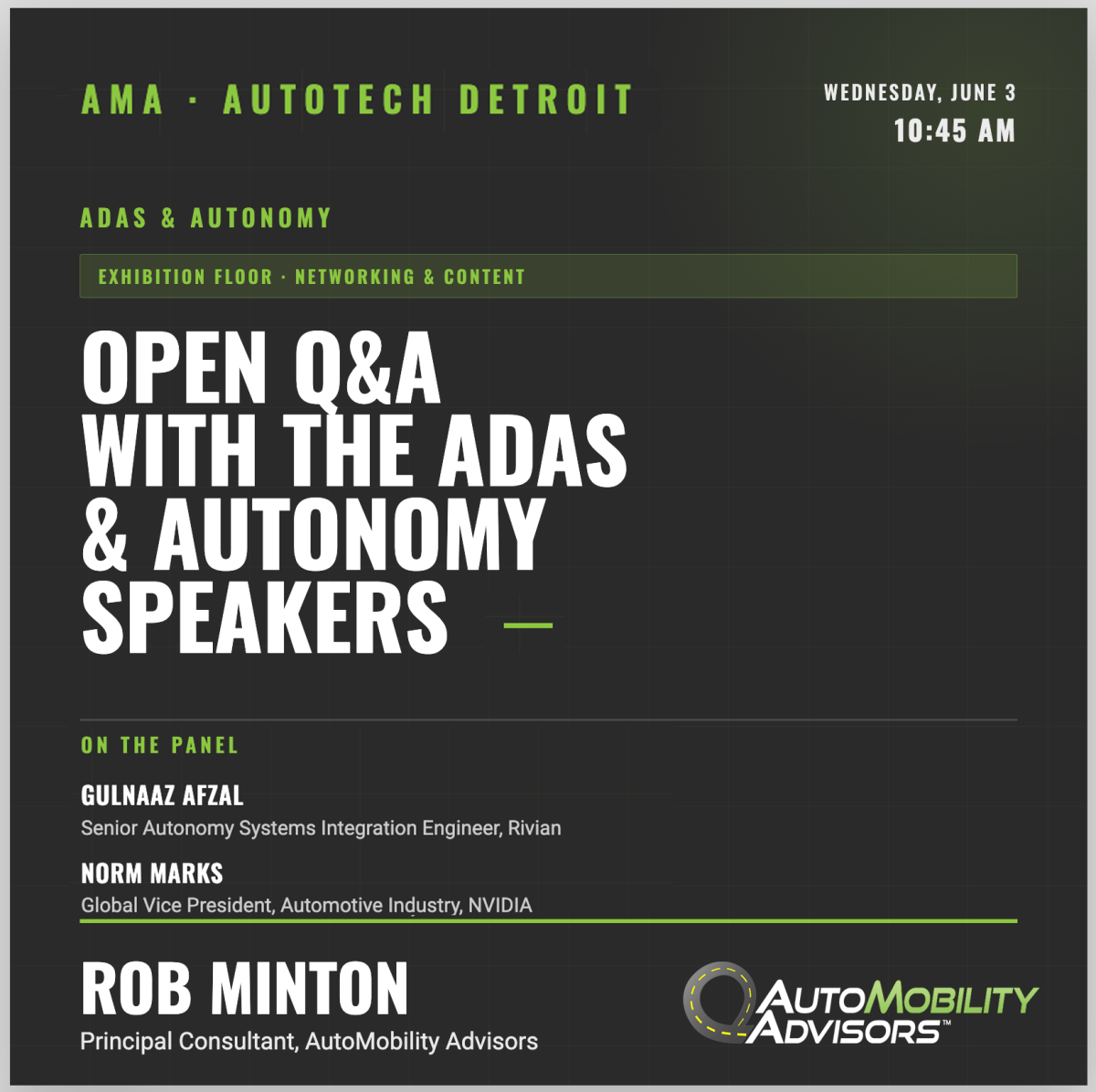 NEWS
NEWSRob Minton Joins AutoMobility Advisors as Principal Consultant
MARIETTA, Ga. — March 2026 — AutoMobility Advisors is pleased to announce the appointment of Rob Minton to their growing consulting practice as a Principal Consultant. Rob brings more than 26 years of automotive industry experience, including over two decades in commercial…
Mariestella Colón Astacio · Mar 17, 2026 Newsletter
AI: A New Tool for the Automotive Innovator
Fabio Taglioni had a drafting board and a ruler. Today's automotive innovators have AI — and roughly 400 million connected vehicles generating the data it needs. Turning that firehose into services people will pay for is the real work.
George Ayres · Mar 6, 2026
Talk to us about what you want to accomplish
Schedule 20-minutes with AMA. We will use the time to understand what you are trying to accomplish and how AMA can help.