Not your grandmother's electric vehicle
EVs were just 3% of US new vehicle sales in 2021. Reading the market through Geoffrey Moore's adoption curve, and what automakers must do to help Early Majority buyers cross the chasm.
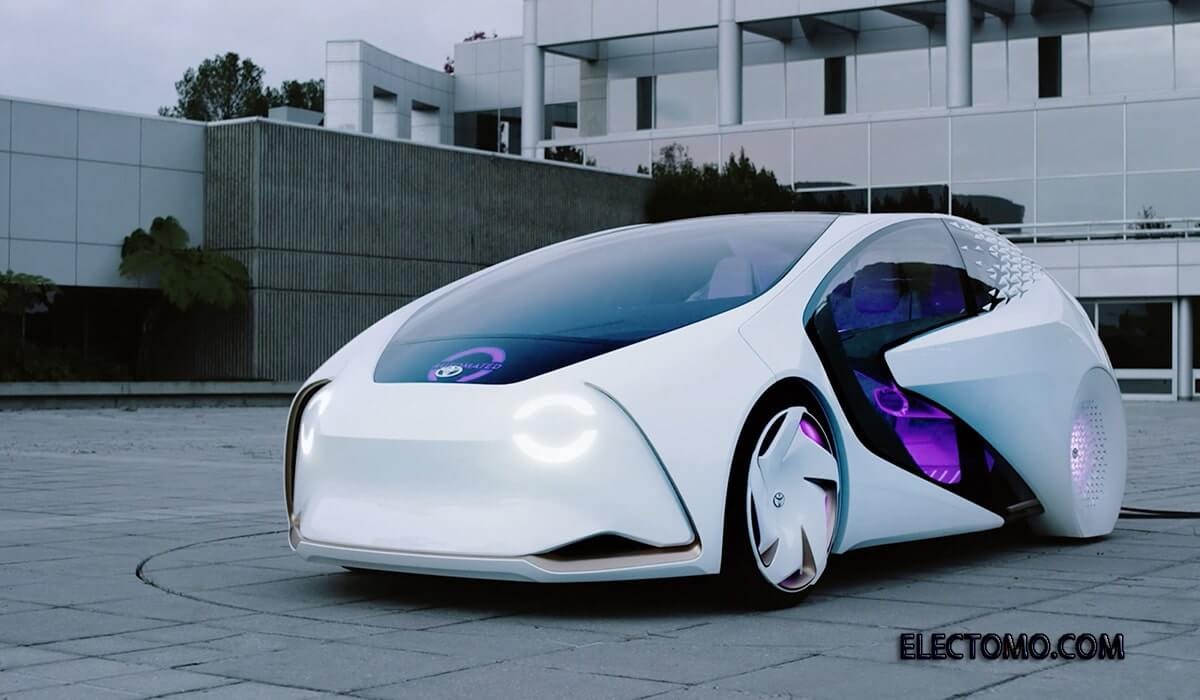
So EV's are here, and we are finally seeing them on the road, plugged in at the grocery store, and right in front of your apartment building. It seems like the momentum to the adoption of electric vehicles is great enough that we can call it a mass-market shift. When the best selling pick-up truck for 40 years, the Ford F-150, is advertising that it's Lighting EV is "Built Ford Tough" enough to plug into and power your house if you live in Texas during an ice storm, then it's easy to think that EV's have turned the corner and now make up the majority of new vehicle purchases. But hold on partner, because until one key group of buyers start cashing their nest egg's in to buy electric vehicles, we still have a ways to go. Yes, I mean Grandma.
In Geoffrey Moore's seminal book about technology adoption, Crossing the Chasm (published in 1991 believe it or not) he describes how new technologies become ubiquitous, and the steps companies need to take to gain momentum, and then widespread acceptance.
The first buyer stage are the Innovators, the people that will try anything new, be the first on the block, be seen with the latest thing. Yes, that neighbor of yours that bought the Tesla Model S in 2012 was one of these people. Maybe he was not the first guy to have an EV, but definitely an Innovator.
The next category, with a few more people, are the Early Adopters. This is the phase we are currently in, and maybe at the tail end of it too as we now see many brands offering EV's, maybe one or two models, but not yet the majority of their line-up. While most automakers have made big announcements about spending up to $30 billion on new EV programs, or even some saying they will only make EV's after a certain date, we still need to be reminded that new car sales in the US last year included only 535,000 electric vehicles, or just 3% of the total. Most new cars and trucks sold in the US are still not electric.
The next buyer category Moore describes are the Early Majority. This is where the Chasm resides, between the Early Adopters and the Early Majority. This is where we are approaching today. Once the product development cycles for the automakers really crank up, and the US customer demand for EV's starts to look more like Norway, then we really accelerate the EV adoption curve. When 50% of the new models on any given showroom floor are EV's, the tax incentives are really good, the charging network more than adequate, and every electrician doesn't bat an eye about installing a charger in your garage, then we are solidly in the fat part of the adoption cycle and the Early Majority. But we have to get companies to do the things required to help buyers "cross the chasm" to allow these Early Majority adopters to accept this new way of driving. If they have range anxiety (fear), or worries about how charge points work (fear), or about the residual value of their EV after 3 years (fear), then they will not buy. Automakers and their ecosystem partners need to help guide these early buyers to ease these fears and gain their trust. Show people how living with an electric vehicle can be even "better" than the way they do it today. No more smelly gas! No more oil changes! Lots of benefits accrue to the EV-savvy. If this work is done, these Early Majority buyers will then help sell all the rest of the electric vehicles to the subsequent groups and then create a mass market for EV's.
The next and penultimate wave are the Late Majority. These are the people that have finally given in to their friends and family who've been hounding them that they are driving an old-school "ICE" vehicle and polluting the environment. Their embarrassment forces them to break down and investigate a new car that is electric, and lo and behold they find few compelling choices that are not electric. So they have to give in and plug in. Between the Early Majority and the Late Majority you find 75%-80% of the total volume.
The last category are the Laggards. These people are actually anti-EV and prefer to be contrarian. They will pay $7 per gallon for their gas and laugh at all the silent electric vehicles in their neighborhood. But eventually their car will be "vintage" and they will have to get on the electric car train.
So, your grandmother is still thinking about it. She probably would actually like the the quiet and silent operation, and maintenance-free life of an EV owner. And she might be able to actually cool it before she climbs in using the smartphone she finally just purchased. But she's not ready. Nobody has shown her where the chargers are located, how to pay for the electricity when you plug in, or what to watch for as she monitors her vehicle's battery.
So she'll wait a few more years. Until most people she knows have made it across the chasm.
Learn more about how you can better prepare for the new mobility future and the changes, and opportunities this creates, by contacting us at Automobility Advisors.
More from the AMA team.
 Newsletter
There's no business like Show business
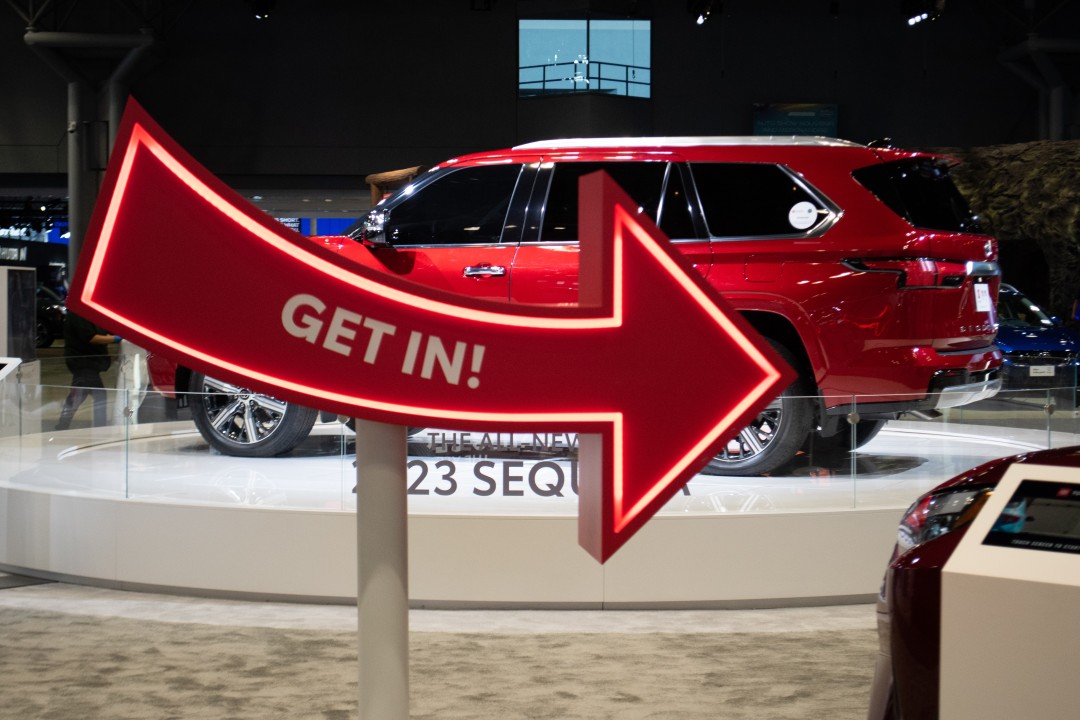
A walk through the 2022 New York Auto Show: an entire floor given over to EVs, newcomers like VinFast and Indi EV, and the question of why so many automakers skipped the chance to educate buyers.
George Ayres · Apr 20, 2022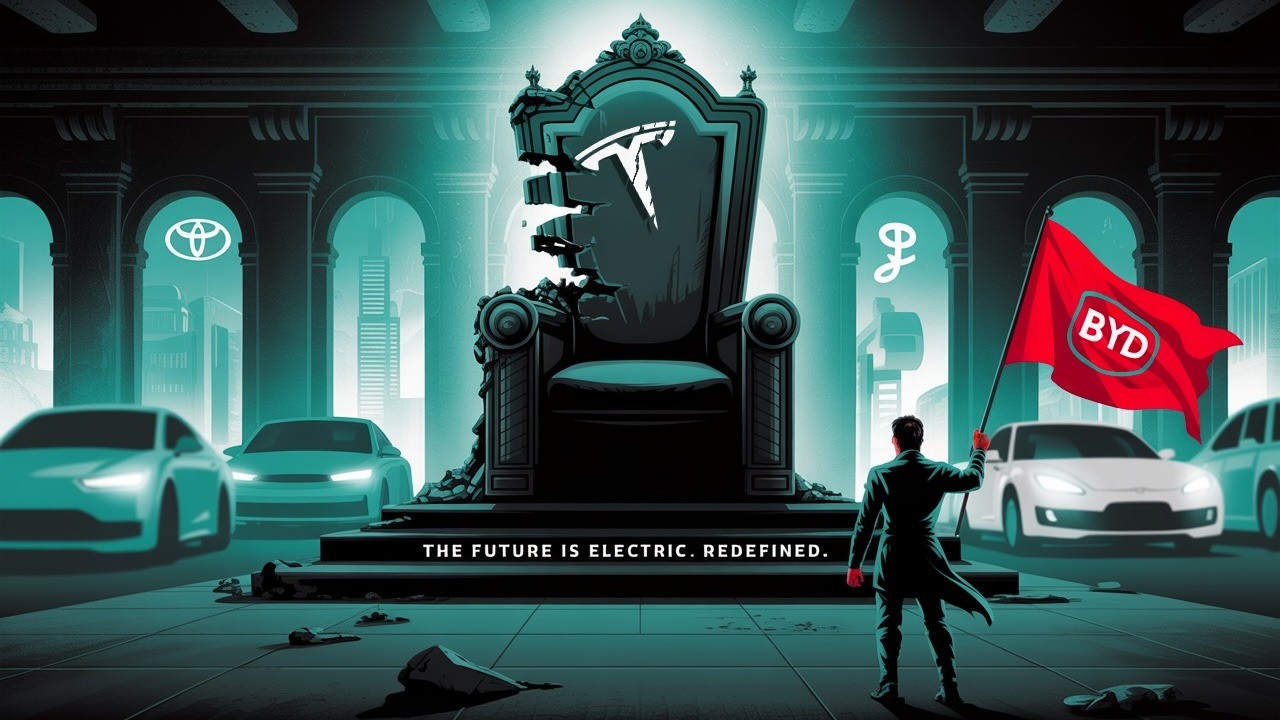 Newsletter
Tesla’s Sales Crown Taken by China
Tesla and the EV market have been near synonymous since the introduction of the Model S sedan in 2012. Over the last 13 years, Tesla’s grip on the market has seemed near-insurmountable, with a roaring stock price and loyal legions of fans supporting the company’s every move.…
AutoMobility Advisors · Jun 9, 2025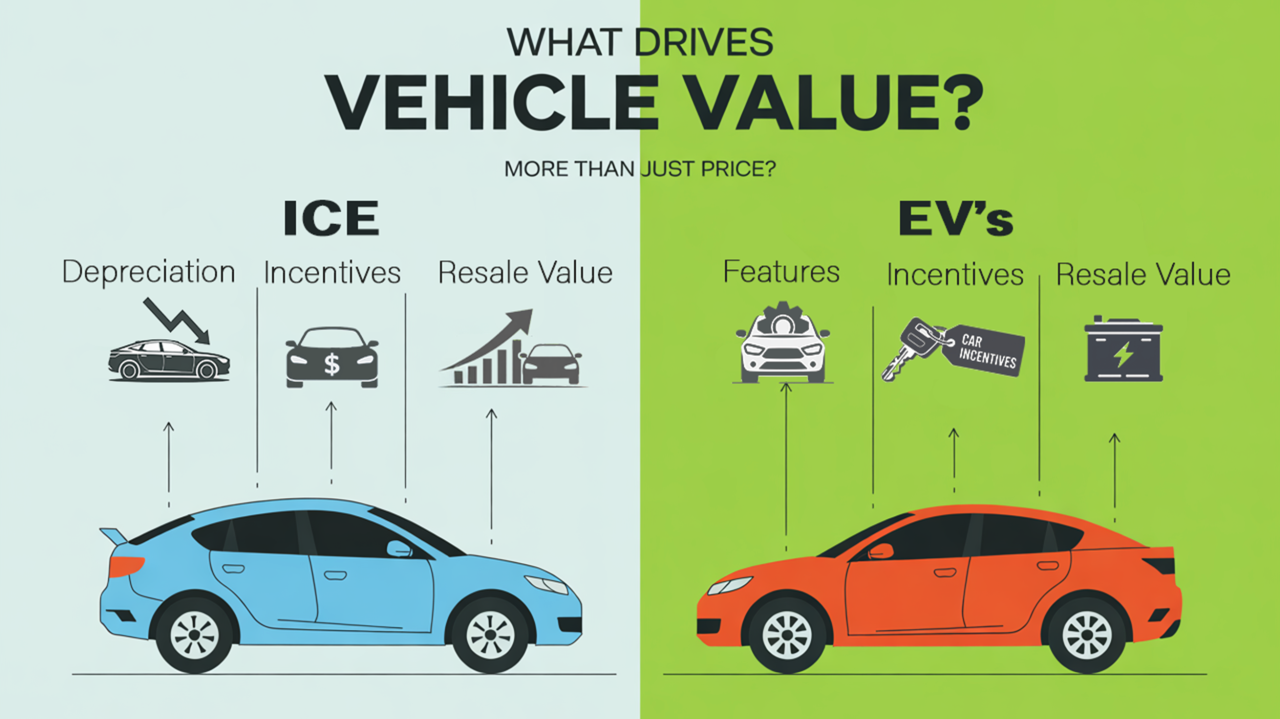 Newsletter
Electric Vehicle Values
One of the biggest questions at the forefront of any car buyer’s mind is the future value of their vehicle. Purchasing is not a complex act. Simply put, the majority of automotive customers want the most perceived “value” for their money that they can possibly get. Value can…
AutoMobility Advisors · Apr 9, 2025
Talk to us about what you want to accomplish
Schedule 20-minutes with AMA. We will use the time to understand what you are trying to accomplish and how AMA can help.